
WeWork Sees Opportunity Amid Economic Uncertainty
Many businesses are expressing concern about the impact of tariffs, but WeWork is experiencing a different trend. According to CEO John Santora, the current economic climate has attracted more clients to the coworking space.
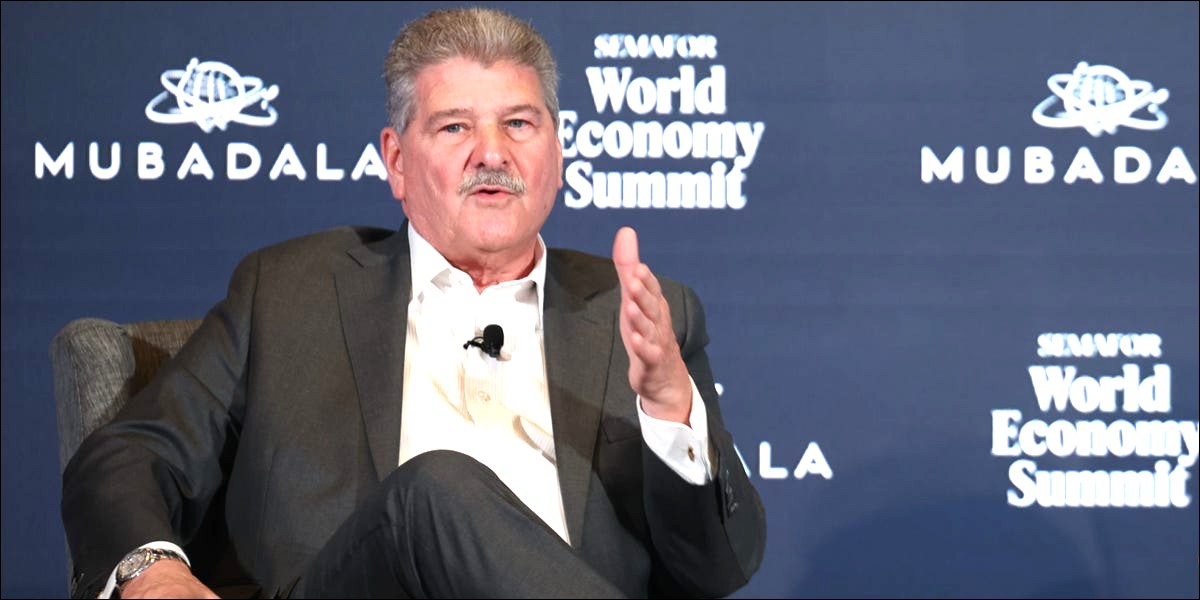
Speaking at the Semafor World Economy Summit, Santora highlighted that companies are hesitant to commit to long-term leases due to uncertainty about tariffs and overall economic conditions. "In today’s environment, who is ready to sign a 10- or 15-year lease when there’s so much unpredictability?" he asked.
He explained that many firms are opting for flexibility, especially when it comes to their office space. "We’re noticing that existing clients are extending their leases, while new clients are inquiring about short-term solutions. They want to know what WeWork can offer for the next six months," he added.
In an interview with Bloomberg, Santora expanded on this perspective, emphasizing how flexibility is critical for companies navigating these uncertain times. "Clients are taking a pause to assess their investments," he noted, underscoring the importance of adapting to short-term needs.
Return-to-office policies could also boost WeWork’s business, according to Santora. "We still don’t know how many employees will actually be in the office on any given day," he said. He suggested that businesses might find it beneficial to consider shorter commitments with WeWork as they adjust to changing work patterns.
WeWork has had a rocky journey, especially after the exit of founder Adam Neumann in 2019 and the challenges that followed, including a failed IPO and a Chapter 11 bankruptcy filing in 2023. Despite these challenges, the company continues to adapt to the evolving needs of the workforce.
WeWork did not provide further comments on the matter.
