
BAKU: Multilateral Banks Commit to Boost Climate Financing for Developing Nations
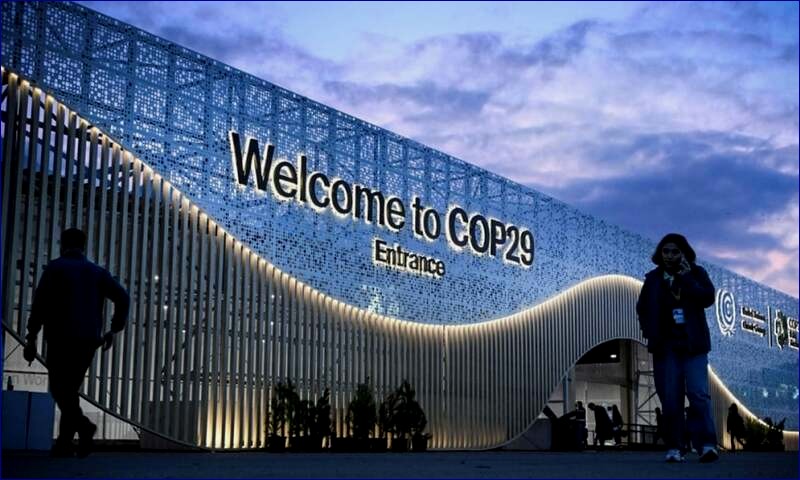
In a significant commitment to tackle climate change, the world’s leading multilateral banks announced plans to increase climate financing for low and middle-income countries to $120 billion annually by the year 2030. This pledge was made during global discussions held in Azerbaijan on Tuesday, where leaders aimed to establish a bold annual target.
The announcement reaffirms the shared goal of keeping global warming below 1.5 degrees Celsius compared to pre-industrial levels by 2050. The $120 billion target represents a more than 60% rise from the amount these banks provided to poorer nations last year, as indicated in a statement released during the UN climate summit in Baku.
As part of this new funding, $42 billion is designated specifically for helping these nations adapt to the effects of extreme weather, marking a 70% increase from the previous year.
With concerns about the withdrawal of the US from global climate initiatives and many countries scaling back their development aid, there is now a stronger focus on encouraging private sector investment in climate efforts.
“Multilateral Development Bank (MDB) financing is essential for poorer nations because wealthier governments usually find it easier to access low-cost debt,” noted Clare Shakya, global managing director of climate at the Nature Conservancy.
Looking ahead, the MDBs, which include institutions like the World Bank, the European Investment Bank, and the Asian Development Bank, plan to leverage their lending to attract an additional $65 billion from private sources. “While the size of MDBs’ financial commitments is crucial, our most significant impact lies in our capacity to drive transformative change,” the group emphasized in their statement.
However, they cautioned that their ability to expand financing largely hinges on the support from the shareholders of these banks, both in developed and developing nations, who need to display “greater ambition.”
“To enable large-scale climate finance, MDBs will require more internal resources; a broader range of grant and concessional funds to enhance policy dialogue, finance public goods, and mobilize private investments; and increased capital to unlock additional MDB financing,” the statement explained.
A US official, speaking on the sidelines of the event but wishing to remain anonymous, expressed support for the ambitious goals set by the multilateral development banks. “They are instrumental in boosting climate finance, surpassing the $100 billion target,” the official said, highlighting the importance of MDBs in the global climate finance landscape.
